Unifying the Digital Factory: Why Observability and SecOps are Critical for Manufacturing
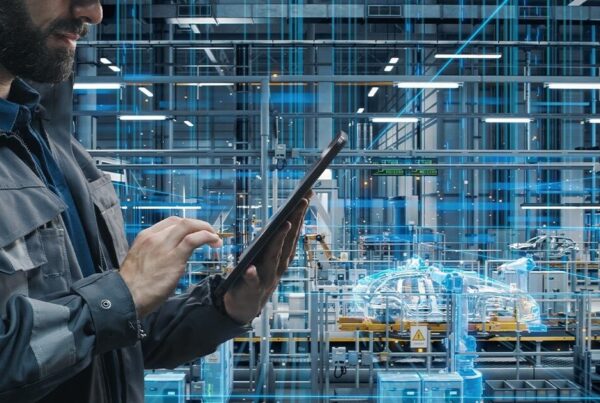
The modern manufacturing facility is no longer just a collection of machines. It is a vast, interconnected digital ecosystem of robotics, automated assembly lines, and countless IoT sensors, all generating immense volumes of data. This digital transformation has created unprecedented opportunities for efficiency and innovation. Yet, it has also introduced a critical, pervasive problem: operational and security data silos.
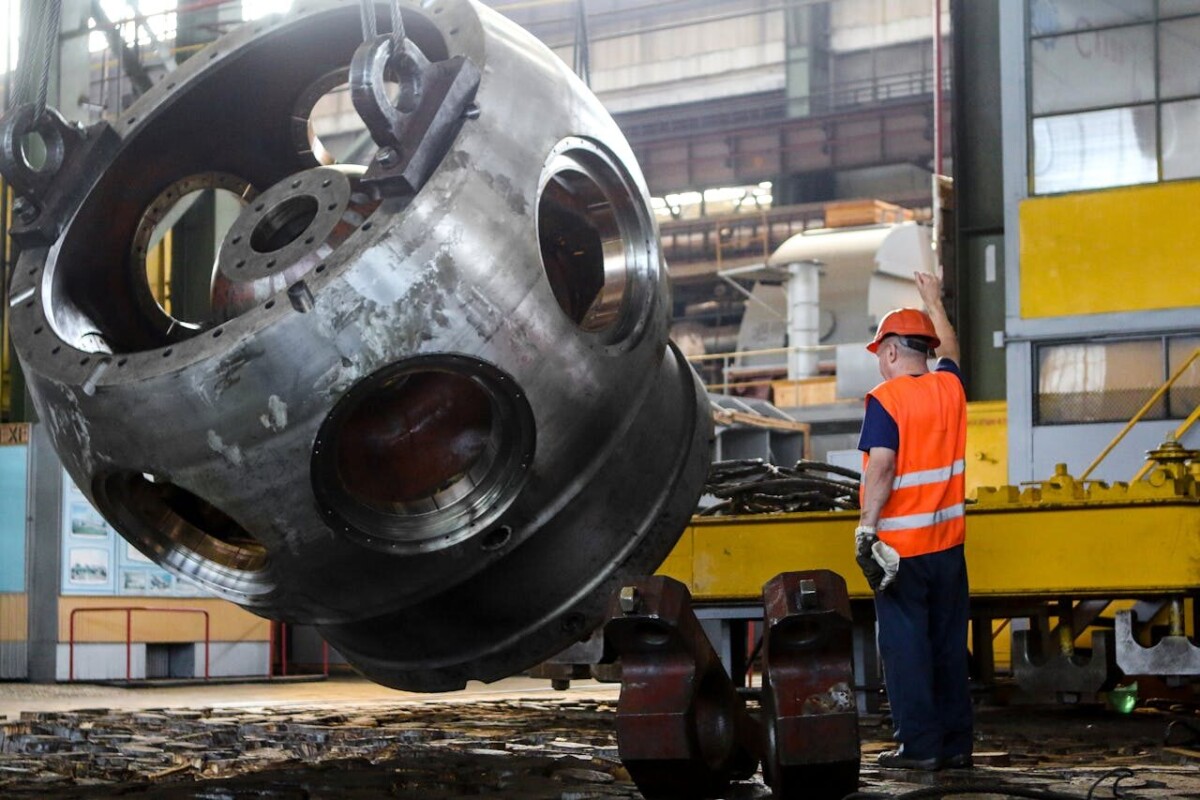
Historically, IT (Information Technology) and OT (Operational Technology) have existed as separate worlds. IT manages the back-end systems like ERP and supply chain, while OT runs the physical factory floor with specialized hardware and software. This fragmentation extends to security, where each team uses its own siloed tools and processes. A unified view of the entire operation is nearly impossible, leaving manufacturers vulnerable to production halts, quality control issues, and cyberattacks.
The solution is not to merge IT and OT teams, but to unite their data. A strategic, converged approach to Observability and SecOps is the only way to build a resilient, secure, and truly intelligent digital factory.
The New Threat Landscape: When Operational Anomaly Meets Security Risk
In manufacturing, the first sign of a security breach may not be a network alert, but a change in machine behavior. A sudden spike in a PLC’s CPU usage, an abnormal vibration from a robotic arm, or a change in the throughput of a production line could be an early indicator of a looming equipment failure—or a malicious actor tampering with a critical system.
Without a unified platform, these signals are lost in the noise. An IT team monitoring a back-end database might miss a performance anomaly on the factory floor, and a security team might be unaware that a physical machine is behaving erratically. This is the core challenge: unifying IT, OT, and security data into a single, cohesive view.
This is where a unified platform comes in. By ingesting and correlating logs, metrics, and traces from every source—from a cloud-based ERP to an on-premises machine controller—manufacturers can gain complete, end-to-end visibility.
- Logs: Provide detailed records of events from all systems.
- Metrics: Give real-time performance data (e.g., machine temperature, throughput, latency).
- Traces: Map out the journey of a transaction or process, from a customer order to a finished product on the assembly line.
From Reactive to Predictive: The Power of Unified Analytics
A unified data platform is the foundation for a new, predictive approach to manufacturing. By applying AI and machine learning to this combined dataset, manufacturers can move beyond reactive problem-solving.
- Predictive Maintenance: AI models can analyze historical and real-time machine data to predict when a component is likely to fail. An alert can be sent to a technician to perform maintenance before a critical piece of equipment shuts down a production line, saving millions in lost productivity and unplanned downtime.
- Real-Time Quality Control: Observability data can be correlated with product quality metrics. If a batch of products fails a quality check, an automated system can instantly correlate the issue with the specific machine, a change in its operating temperature, or a recent software update, providing a clear root cause.
- Enhanced Cybersecurity: By establishing a baseline of normal operational behavior, AI-powered SecOps can detect and flag subtle anomalies that signal a security threat. For example, a sudden, unauthorized command sent to a machine controller could be detected and blocked automatically, preventing a potential cyberattack from ever reaching its target. This moves security from simple threat detection to threat pre-emption.
This convergence dramatically reduces both the Mean Time to Detect (MTTD) and the Mean Time to Resolution (MTTR) for both performance issues and security incidents.
Conclusion: Building the Foundation for a Smart Factory
The future of manufacturing is a fully automated, intelligent, and resilient ecosystem. But this future can only be realized by breaking down the data silos that have plagued the industry for decades.
By embracing a unified Observability and SecOps strategy, manufacturers can create a single “digital nervous system” that monitors and protects the entire value chain. This not only enhances cybersecurity and operational efficiency but also frees up valuable engineering talent to focus on innovation. The journey to a truly smart factory begins with a single, shared view of the truth—where every anomaly is understood, and every threat is anticipated.